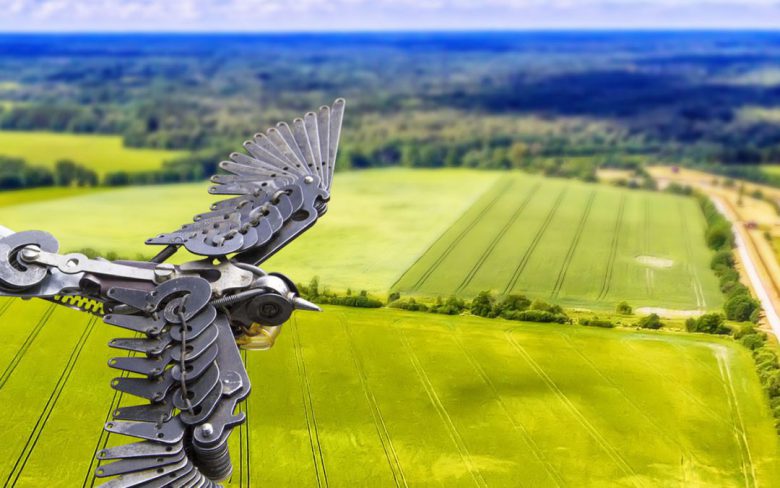
This essay addresses arguments regarding the “place” or “non-place” in which ideas originate and whether they are wholly transcendental, wholly contingent, or a combination of transcendental and contingent. Far from a resuscitation or recitation of Medieval scholastic disputations, the essay seeks to situate these untimely concerns in the context of spent discursive and ideological systems… Continue reading
New pilot ‘accelerator’ launched for UK Platform Co-operatives
The Internet is broken. Investor-owned digital platforms are monopolising key economic sectors, controlling our data, and distributing profits to the few. This needs to fundamentally change according to Co-operatives UK and Stir to Action. As part of an effort to make the ‘digital economy our own’, these organisations have today joined forces to launch a… Continue reading
Commoning our Democracy: Democracy Day at Imagine! Belfast 2018
We are living in turbulent times for electoral democracy. But it didn’t start with the Brexit referendum and the election of Trump. Over the period 2006 – 2016 the Economist Intelligence Unit’s Democracy Index recorded a decline in democratic health for more than half the 167 countries it monitors. Join the P2P Foundation’s Michel Bauwens… Continue reading
Call for workshops: An invitation to co-create the European Ecovillage Conference
Do you want to co-create the next European Ecovillage Conference? Here’s your chance! The following was sent in by Francesca Whitlock through the European Commons Assembly‘s mailing list and you can find out more about the conference in this link: The Wisdom of Conscious Communities. Dear friends, We hope by now you have seen our… Continue reading
Change is possible! How to frame the economy to support progressive politics.
I highly recommend this work done by several organizations I think highly of. These highly accessible and thoughtful resources can help us more effectively reframe the dominant economic narratives that have gripped the public imagination and paved the way for regressive economic, social and environmental policies. Without the framing resources and co-ordination to challenge these… Continue reading
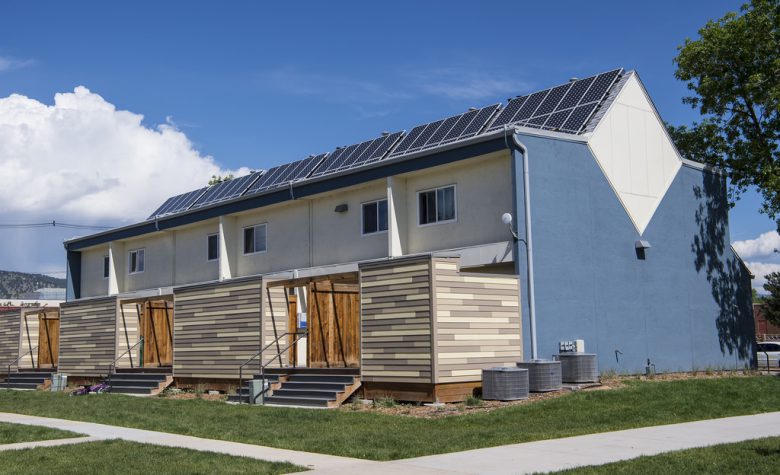
Permanently Affordable Housing: Challenges and Potential Paths Forward
Julie Gilgoff: While billion dollar development companies eat up affordable housing units throughout the Bay Area, dedicated teams of organizers, nonprofit service providers, community development corporations, and others fight a relentless battle along side and on behalf of those at threat of displacement. Some are seeking to transform the current system of land ownership, removing profit… Continue reading
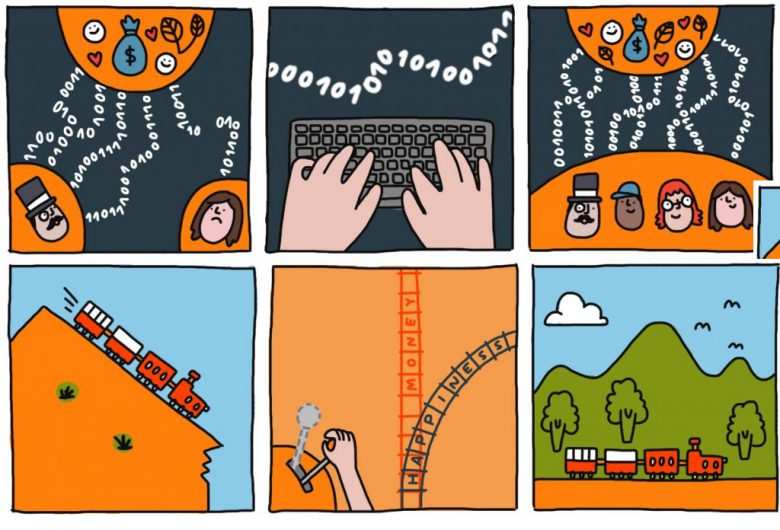
Efficiency and Madness – Using Data and Technology to Solve Social, Environmental and Political Problems
Here’s a new publication that we co-created with the Tactical Technology Collective – a group specialised in Big Data, digital security and data driven technologies. It is meant as a contribution to an emerging and important debate on the role of technologies in shaping our societies and an attempt to begin to spell out. In… Continue reading
Agriculture and Autonomy in the Middle East
Perhaps one of the most important examples of a broad based, decentralized, democratic, community directed development based on social justice, gender equality and ecological well-being; sustained by the people known for the central role their fighters played in the defeat of ISIS. The following article was written by Sean Keller and originally published in Local… Continue reading
Book of the Day: History of the World in Seven Cheap Things
A History of the World in Seven Cheap Things: A Guide to Capitalism, Nature, and the Future of the Planet. Jason W. Moore and Raj Patel. University of California Press, 2017. The following texts mainly extracted from the publisher’s site. Contextual Citation The call for a Reparation Ecology by Jason W. Moore and Raj Patel: “Weighing the injustices… Continue reading
A Permanent Community Energy Cooperative model to fight climate change and wealth inequality
Eunice Kwon: Three years ago we set out to make it possible for communities to own their energy. And boy did we run into some strange things along the way! Before introducing those peculiarities, first some background: If people could own their energy, they’d be more secure – both financially and infrastructurally. We could save money and… Continue reading