
This post by Siôn Whellens originally appeared on whatif.coop In his recently republished Cooperative Manifesto, Tim Huet explains why he came to the conclusion that ‘There Is No More Important Social Change Work You Can Do Than Cooperative Development’. Huet was one of the first organisers of the Arizmendi Assocation of Cooperatives, which Ed Mayo… Continue reading
Xnet installs a Whistleblowing Platform against corruption for the City Hall of Barcelona – powered by GlobaLeaks and TOR friendly
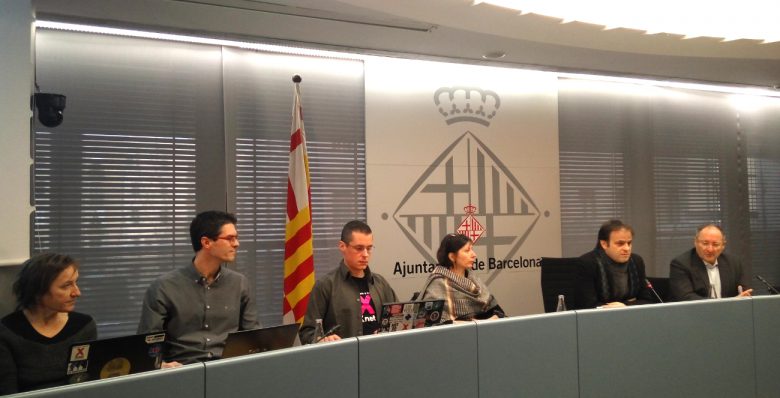
Video of the press conference: https://youtu.be/o81IEJrVTgg?t=4m35s Xnet, an activist project which has been working on and for networked democracy and digital rights since 2008, launches in the Barcelona City Hall the first public Anti-Corruption Complaint Box using anonymity protection technology like TOR and GlobaLeaks (“Bústia Ètica” in Catalan). With this pioneering project, the Barcelona City… Continue reading
Project Of The Day: the Seikatsu Clubs

According to the International Cooperative Alliance 77 million Japanese are members of cooperatives. Seikatsu Club formed half a century ago when there were Japan had no specific laws enabling the cooperative legal structure. Women committed to improving life for their families and their communities began collaborating. The result is an umbrella organization touching local production,… Continue reading
A new post-capitalist ecosystem of value creation

How to build the world we want within the world we want to transcend. This very recent article by P2P Foundation founder and president, Michel Bauwens, and the P2PF’s research director and founder of the P2P Lab, Vasilis Kostakis, was originally published in Open Democracy. Our world is once again hurled into a deep socio-economic… Continue reading
Perspectives from the European Commons Assembly

By Sunna Kovanen & Ruby van der Wekken. Originally published in Commons.fi. Spring 2016 a Berlin-based Commonsnetwork, among others, called some 30 practitioners and researchers of commons all over Europe to meet for the first time and to build European-wide cooperation. The meeting took place on May 2016 at an organic farm in Villarceaux, some… Continue reading
A trip across Galician territory: building the rural and the commons
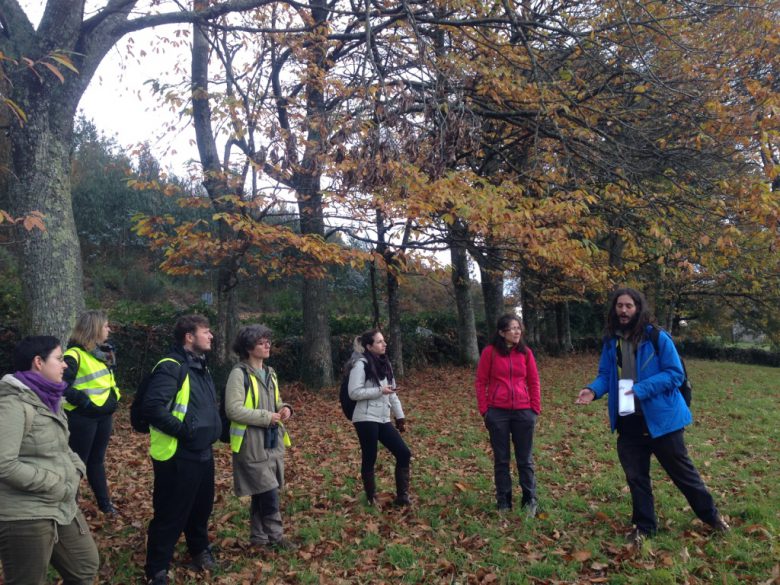
Marta Nieto Romero, writing for Sustainable Place Making, recounts her trip through the Galician Commons: On the 26th of November I attended a collective hike in Galicia (North West Spain). Organized by the Commons Study Program they invited members of Ergosfera, an association of architects, who guided us in an amazing trip throughout the rural… Continue reading
2017 and “Killer Apps” for the Transition
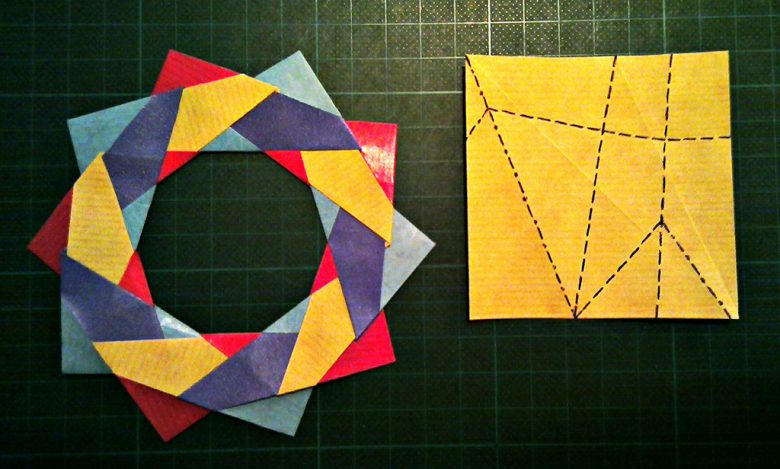
On the Open Manufacturing Google Group, an email list for people interested in open-source industrial design and commons-based peer production models for physical production, Nathan Cravens raised the question of why peer-production of physical goods has had such a hard time gaining traction as an alternative to the corporate capitalist model: Open source projects seem… Continue reading
Sci-Fi Imagines the Cooperative Platform Economy as a Victor

Originally published on platform.coop In mid-November on a Floridian island, Six Silberman, a researcher for a German union, offered a retrospective of the platform co-op movement to a full room at the ACM GROUP 2016 conference. Though Silberman’s speech was based on a work of design-fiction, “Reading Elinor Ostrom in Silicon Valley,” and told from… Continue reading
How the FairShares Association Makes Better Decisions with Inclusive, Democratic Processes
Originally published on the Loomio blog Rory Ridley-Duff is a reader in cooperatives and social enterprise at Sheffield Business School, director of Social Enterprise Europe, and founder of the FairShares Association. They use Loomio to model their governance structure online, for effective, equitable stakeholding. FairShares Association is a loose network of educators, researchers, and consultants … Continue reading
Peer to party: Occupy the law

This article has been published at First Monday: Abstract “In this paper I infuse political and legal theory with peer to peer decentralized design features. This experiment studies how property and liability, two core legal institutions attached to individual persons, react and can be transformed (like chemical elements) when applied to a peer to peer,… Continue reading