
Commons-based peer production (CBPP) is a new and increasingly significant model of social innovation based on collaborative production by citizens through the Internet. This project will foster the CBPP phenomenon by providing a techno-social software platform specifically designed to facilitate the creation of resilient and sustainable CBPP communities. As part of the P2Pvalue.eu project, we… Continue reading
What the P2P Foundation did in 2016

In case you didn’t catch the original, published last week in Commons Transition, here is our 2016 review: Welcome to our annual overview! 2016 has been widely acknowledged as a difficult year, and although we’ve had our share of hardship, it turned to be a very productive period for the P2P Foundation and the wider… Continue reading
The Open Source School Redefines Education in Italy

Cross-posted from Shareable. Alessia Clusini: Threading elements of the great educational experiments of Bauhaus and Roycroft Community models together with Pierre Levy’s modern definition of “collective intelligence,” La Scuola Open Source (The Open Source School) embodies the principles of the sharing movement. Its success hinges on cooperative work, co-design, shared skills, and an open source culture. The… Continue reading
Project Of The Day: Green Map

As socially conscious people around the world adopt ethical, open and sustainable lifestyles, they are collaborating to support one another. One collaborative trend is the formation of certification organizations. B Corp and Organic foods are examples. Startups in these sectors can organize themselves based on existing standards and best practices. Another trend is organizations forming… Continue reading
Commons based technology: a glimpse inside l’Atelier Paysan
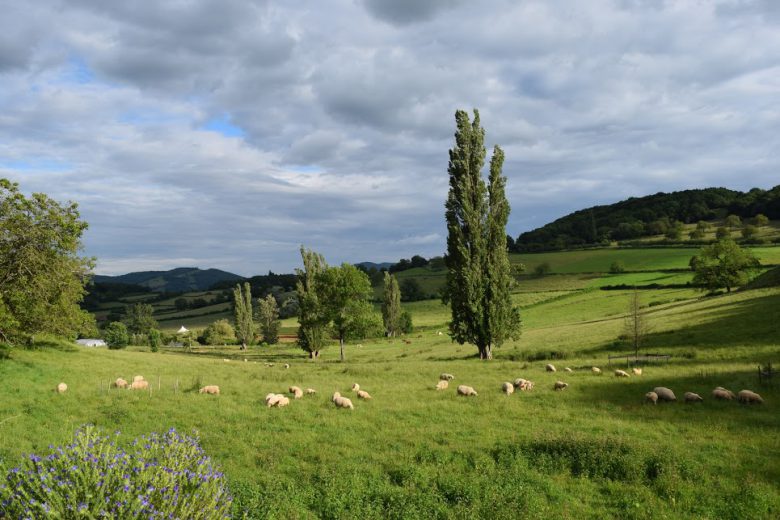
This post originally appeared on greenhorns Commons based technology: a glimpse inside l’Atelier Paysan Farmer, tool hacker, organizer, and self styled agricultural anthropologist (and, we’re proud to say, a GH blog editor) Samuel Oslund takes us on a journey into les Rencontres de l’Atelier Paysan. Les Rencontres is a yearly gathering of farmers from across… Continue reading
Women in P2P: Interview with Mayo Fuster Morell
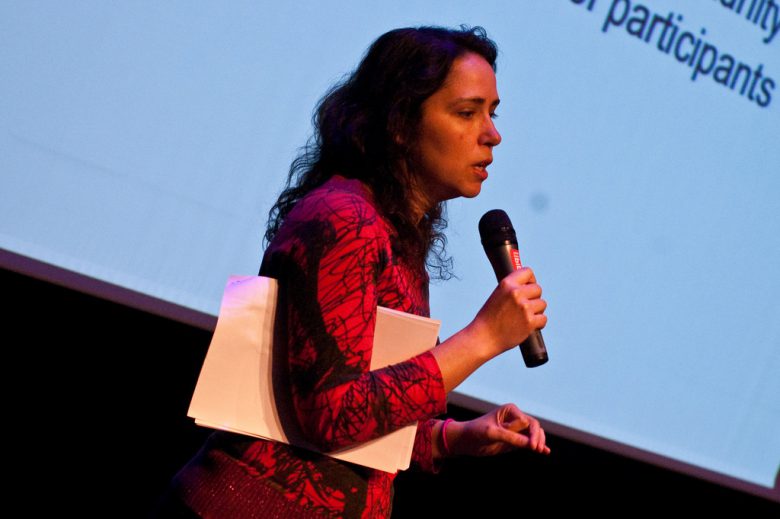
Interview with Mayo Fuster Morell By Rachel O’Dwyer Mayo Fuster Morell is the Dimmons director of research on collaborative economy at the Internet Interdisciplinary Institute of the Open University of Catalonia. Additionally, she is faculty affiliated at the Berkman Center for Internet and Society at Harvard University, and at Institute of Govern and Public Policies… Continue reading
Build democracy and it spreads like a virus

Olivier Sylvester-Bradley: A Q&A on Platform Co-ops with Nathan Schneider, as part of our focus on Platform Co-ops and the forthcoming open2017 conference. openDemocracy offers you a 10% partner discount to the event here. In 2015, Nathan co-organised “Platform Cooperativism,” a pioneering conference in New York, which kick started a wave of global discussion about online… Continue reading
Patterns of Commoning: Our Ways of Knowing: Women Protect Common Forest Rights in Rajasthan

Soma K P and Richa Audichya: Nichlagarh, an adivasi village in the forest region of Southern Rajasthan, is caught between the bureaucratic regime of the Forestry Department (FD) of India and progressive legislation that claims to restore the traditional rights of commoners. While the state has its own ideas about how villagers should manage their forest… Continue reading
Activism Revisited: Personal reflections on trying to make a difference

This post originally appeared on niume.com “If success or failure of this planet and of human beings depended on how I am and what I do […] HOW WOULD I BE? WHAT WOULD I DO?” —R. Buckminster Fuller “We cannot individually comprehend the range, depth and detail of the consequences we are collectively generating for… Continue reading
Why did Syriza surrender?

The great failure of Syriza in carrying out its anti-austerity program and surrendering to the neoliberal dictates of the EU and the Troika signals a wider failure of progressive politics. In these excerpts from a real in-depth conversation and interview, George Souvlis asked an active participant, Andreas Karitzis, “what went wrong”? * George Souvlis: On… Continue reading