Local initiatives can lead to modest gains in sustainability, but not the large-scale transformation we need. Meeting that challenge will require, among other critical factors, substantial changes in how we create and use money. As its history demonstrates, money is a social and political construct. It is the privatization of money—and not money itself—that has… Continue reading
Peer-to-peer production and the partner state
Michel Bauwens and Vasilis Kostakis: What would it mean to go beyond the traditional models of the state, including the redistributionist welfare state, to a state that could create the conditions for the creative autonomy of citizens to play a far greater role in their collective flourishing? The social knowledge economy, rooted in an already-existing… Continue reading
The Future of Economics: From Complexity to Commons
The Future of Economics: From Complexity to Commons This article looks at three crucial insights for the future of economics: Complex adaptive systems How technologies of cooperation enable commons-based peer-to-peer networks Why we need complex adaptive systems to understand new economies Complex Adaptive Systems The Edge of Chaos Complex adaptive systems has enjoyed considerable attention in recent decades…. Continue reading
Patterns of Commoning: Converting Proprietary Software into a Commons: The LibreOffice Story
Mike Linksvayer: Since the early 1990s Microsoft has held a lucrative near-monopoly in “office suite” software for word processing, spreadsheets, slide presentations and databases. In 2013 alone, Microsoft’s business division made US$16 billion profit on sales revenues of US$24 billion – an astounding upward transfer of wealth from software users to Microsoft made possible by… Continue reading
Reclaiming Public Control of Money-Creation
Most people don’t really understand how money is created and what political choices are embedded in that process. As a result, the privatization of money-creation is largely invisible to public view, and the anti-social, anti-ecological effects of privately created, debt-based money go unchallenged. Mary Mellor, professor emerita at Northumbira University in the UK, wants to… Continue reading
Decentralise Now
This post by Mark Boas is reposted from Medium.com It’s funny how things turn out. Six years ago when I decided to blog about my thoughts about a ‘radically new’ and decentralised web; snappily titled “P2P Web Apps — Brace yourselves, everything is about to change”, I thought decentralisation was imminent. It wasn’t. And when I say… Continue reading
The Commons: Beyond the State and the Market
As an alternative that has been tried and tested in practice by communities past and present, the paradigm of the commons goes beyond the state and the market and implies the radical self-instituting of society, allowing citizens to directly manage their shared resources. Yavor Tarinski, writing for New Compass, shares a great overview of the… Continue reading
9 Awesome Urban Commons Projects in Ghent
Cross-posted from Shareable. Mai Sutton: Urban commons initiatives are booming in the Belgian city of Ghent, according to a new report. One of the researchers behind the study, Michel Bauwens of the P2P Foundation, says that “the ecosystem of commons-based initiatives in Ghent is quite exemplary precisely because it covers an ecosystem in an area that… Continue reading
Team Human: Richard Barbrook “It’s capitalism, mate!”
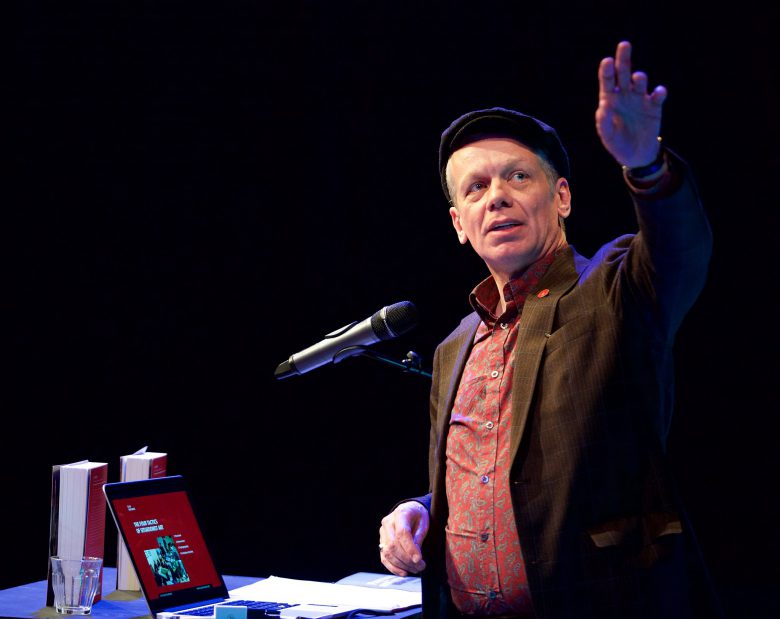
With the birth of the internet and advance of digital networks, we’ve been promised everything from creative cooperation and digital democracy, to the end of work and a new abundance of leisure time. It’s a promise of a techno-utopia that persists today. Playing for team human today, Dr. Richard Barbrook challenges this imaginary future by unearthing the… Continue reading
Danish Energy Cooperative Lets Consumers Collectively Build Wind Turbines
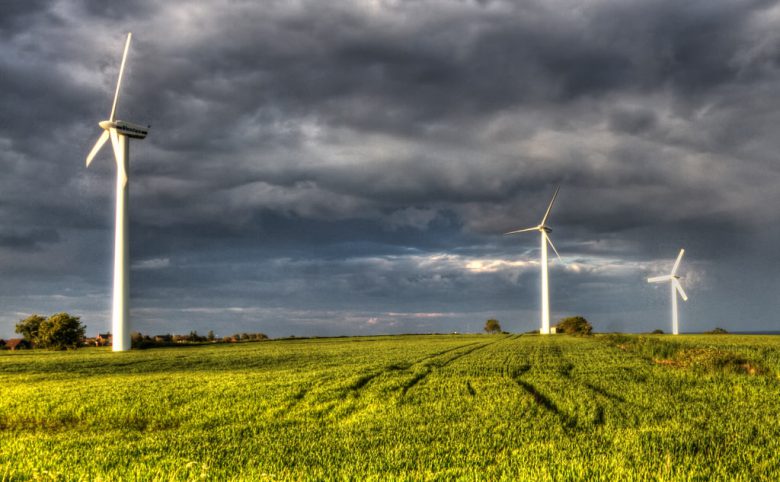
Cross-posted from Shareable. Wolfgang Hoeschele: The establishment of a carbon-neutral energy system requires massive investments in infrastructure such as wind turbines. Because distributed energy systems do not fit the business models of the old energy utilities, they continue to invest far too little in this sector. Meanwhile, many individual electric power consumers are interested in investing… Continue reading