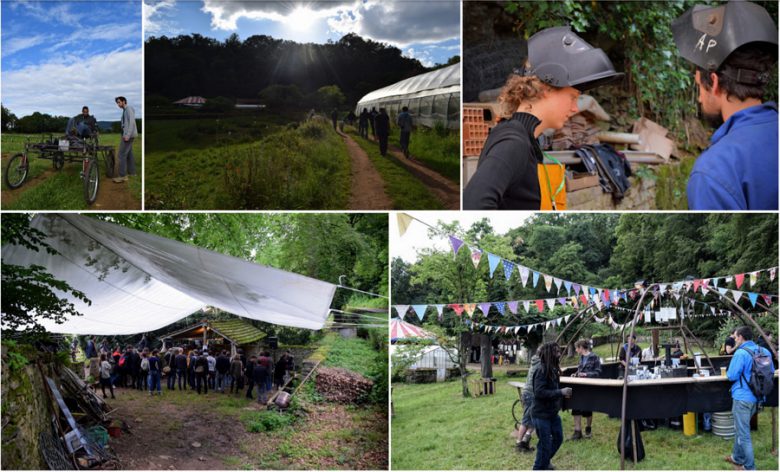
This is a review of DGML, ‘physical’, ‘cosmo-local’ peer production; produced by the Source Network, (an online network bringing together academics, policy professionals and civil society organisers from across Europe created by the New Economics Foundation), written by Chris Giotitsas and Jose Ramos from the P2P Foundation/P2P Lab. Download the full report here: A New… Continue reading
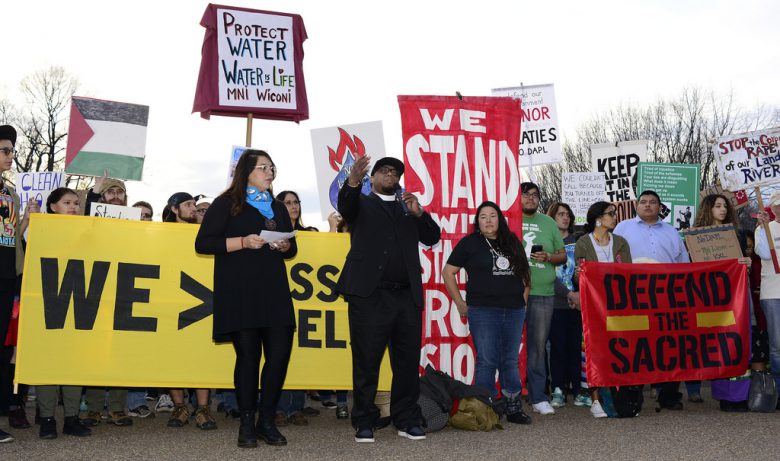
Why the #DefundDAPL movement is about more than divesting from Wall Street
At a recent Oakland City Council meeting, Wilson Riles, a community leader and former City Councilmember, reminded us why Wall Street is so-called: it actually had a wall built around it in the 17th century to keep out Native tribes displaced by early colonists. It’s also worth remembering that Wall Street was the site of… Continue reading
Decentralise Everything
This post by Mark Boas was originally published on maboa.it This year I found myself more “available” than previous years and decided to commit to being a “Space Wrangler” for this year’s Mozilla Festival. I was warned that it was a fairly heavy commitment, however so far it’s been great. Commitments don’t seem to be… Continue reading
Patterns of Commoning: OpenCourseWare and Open Education
Mary Lou Forward: While the world has become increasingly digital, most formal educational systems have not taken full advantage of what the new technologies can provide. – books, articles, databases, videos and other curricular materials. By using open networks and open content, Open Education also lets students and teachers separated by great distances interact with… Continue reading
How Innovative Funding Models Could Usher in a New Era of Worker-Owned Platform Cooperatives
Cross-posted from Shareable. Nithin Coca: For Socorro Aguirre Cruz, a home care worker in Staten Island, New York, with nearly 50 years of cleaning experience, many of the challenges faced by gig workers today have been part of her life for decades. Work has been precarious for her long before the emergence of massive, venture… Continue reading
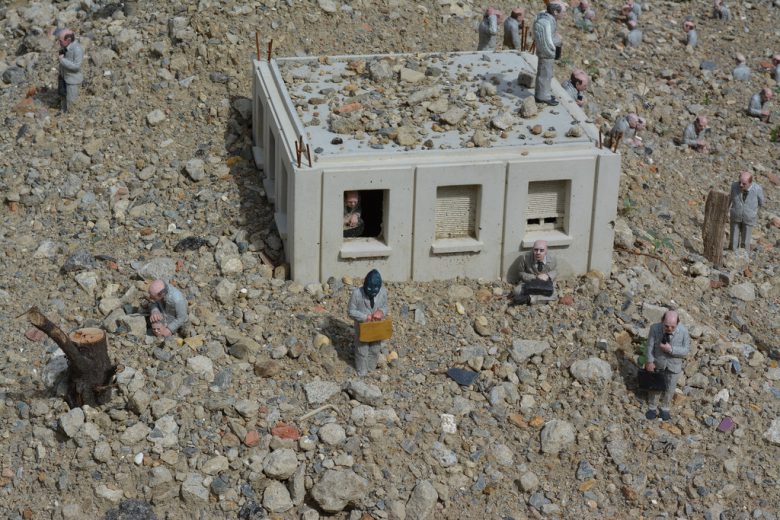
Inside the new economic science of capitalism’s slow-burn energy collapse
The following is an important overview of recent studies relating the energy and materials crisis to the economy, and the deep structural crisis that this represents. This post by Nafeez Ahmed was originally published on Insurge Intelligence, Medium.com Inside the new economic science of capitalism’s slow-burn energy collapse And why the struggle for a new economic… Continue reading
7 Reasons Climate Action In Cities Is Our Ultimate Lifeline
Hubs of commerce and culture. Seats of geopolitical power. Throughout history they’ve been pulling country folk to seek their fortunes with these massive magical concrete magnets. In pre-industrial times, cities were still the cores of political power and the economy, but less so. More people lived and worked in the surrounding countryside. That trend has… Continue reading
To Create a Real Sharing Economy, Think Replication — Not Just Scale
Cross-posted from Shareable. Neal Gorenflo: When I began writing about the sharing economy in 2009, the eclectic array of struggling, communitarian-minded tech start-ups in San Francisco, California, were just one small part of a vast number of sharing innovations that made up what we at Shareable saw as an era-defining transformation in how people create… Continue reading
Degrowth in Movements: Food Sovereignty
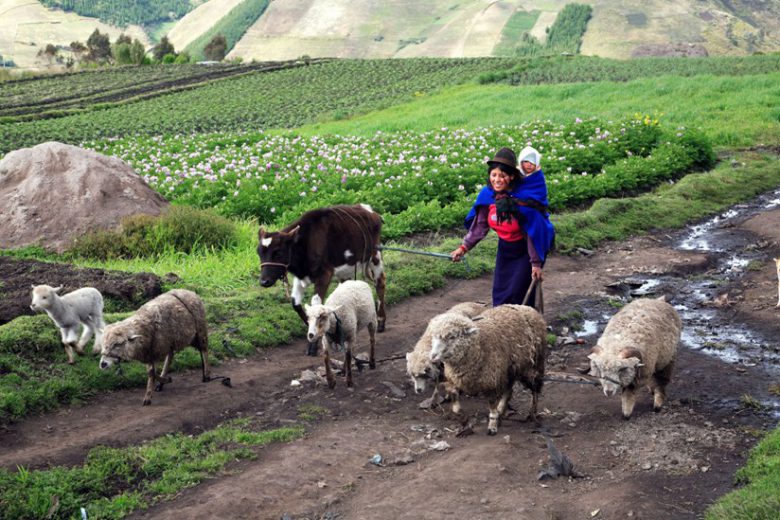
By Irmi Salzer and Julianna Fehlinger // Translated by Santiago Killing-Stringer. Originally posted on Degrowth.de About the authors and their positions We see ourselves as part of the movement for food sovereignty and are writing from the perspective of the Österreichische Berg- und Kleinbäuer_innenvereinigung ÖBV – Via Campesina Austria1(Irmi Salzer) and the agro-political group AgrarAttac… Continue reading
A vision for an ecocentric society and how to get there
Reposted from ecologicalcitizen.net, The Ecological Citizen Vol 1 No 2 2018: epub-008 [online first] Shann Turnbull: The survival of society may depend upon it becoming governed by the nature of its host bioregions, as occurred in pre-modern times with Australian Aboriginals. The three most important requirements for establishing a decentralized, locally governed ecocentric society are to:… Continue reading