
Hello! Della and Robert here, co-producers of the Upstream Podcast, an audio documentary series that explores stories of the new economy. We often say that we couldn’t keep this project going without your support — well, this is LITERALLY TRUE. The laptop and the audio software that we use to produce our documentaries are now… Continue reading
Commons Transition, Illustrated – Our New Web Primer
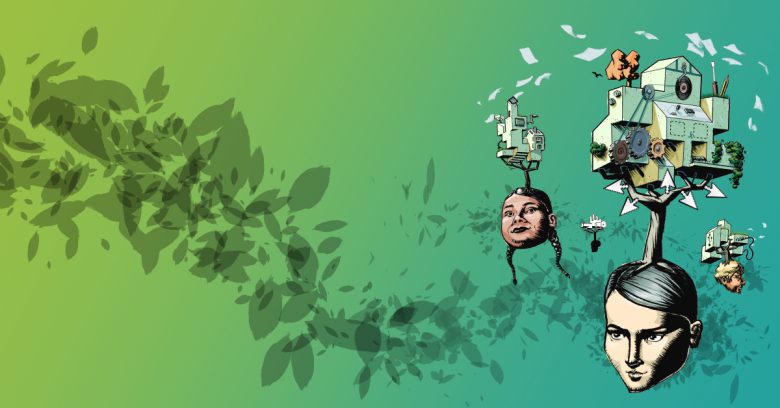
Today, we’re happy to share with you our recently completed project, the Commons Transition Primer website, with new and adapted texts by P2P Foundation members (including its founder, Michel Bauwens and our colleagues in the P2P Lab). Featuring specially commissioned illustrations and infographics, this Primer emphasizes the value of P2P and Commons approaches to work,… Continue reading
How does a Multistakeholder Co-op work?
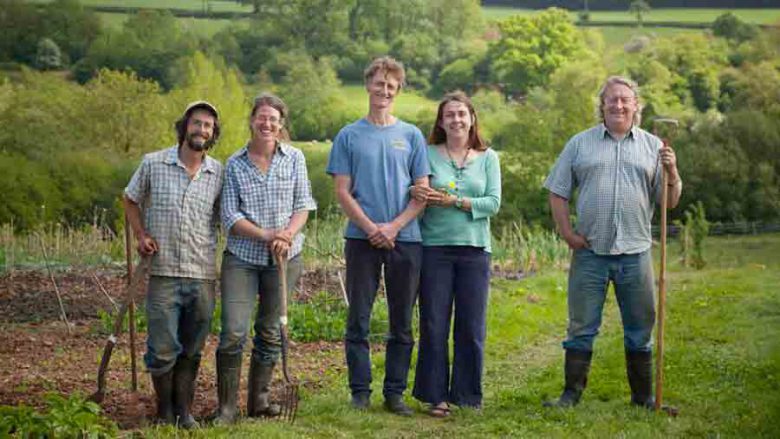
Lauren and Phil: The Ecological Land Co-operative (ELC) was set up to address the lack of affordable sites for ecological land-based livelihoods. A life on the land is a dream for many, but one in which the barriers are high, and the ELC recognised that this needed to be addressed. The ELC develops affordable, residential smallholdings… Continue reading
Patterns of Commoning: Licenses for Commoning: The GPL, Creative Commons Licenses and CopyFair

It is not widely known that the law regards virtually all artifacts of human creativity as private property from the moment they are created. Scribble a doodle, record a few guitar riffs, and copyright law treats the resulting “works” as a kind of private property over which you may retain legal control for the rest… Continue reading
Essay of the Day: Self-Organisation in Commons-Based Peer Production

A PhD Thesis: Self-organisation in Commons-Based Peer Production (Drupal: “the drop is always moving”) by David Rozas. University of Surrey, Department of Sociology, Centre for Research in Social Simulation, 2017. Abstract “Commons-Based Peer Production (CBPP) is a new model of socio-economic production in which groups of individuals cooperate with each other without a traditional hierarchical… Continue reading
Making change happen: A tribute to Robin Murray
Robin Murray’s life and work has been celebrated recently in London at an RSA event that Awarded him the Albert Medal for social innovation and co-operative change. The tributes by Ed Mayo and others at the Award ceremony are wonderful and on this riveting video followed up by tributes from the floor. The following text… Continue reading
Book of the Day: Elinor Ostrom’s Rules for Radicals,Cooperative Alternatives beyond Markets and States
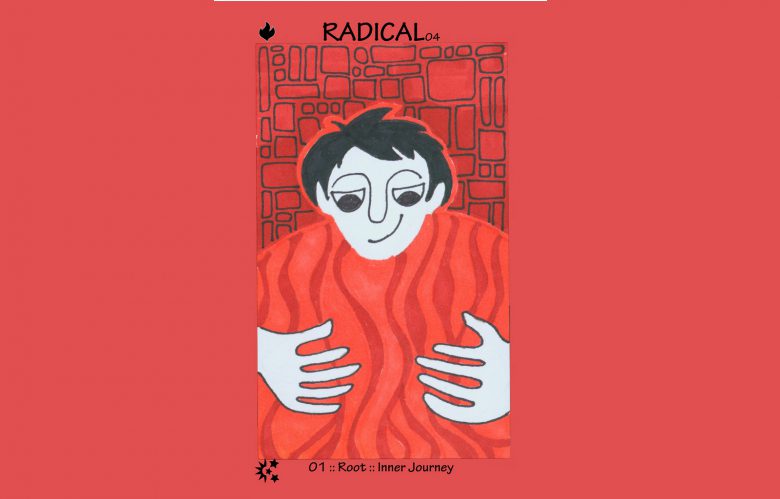
Originally published in Pluto Press. Elinor Ostrom was the first woman to win the Nobel Prize for Economics. Her theorising of the commons has been celebrated as groundbreaking and opening the way for non-capitalist economic alternatives, yet, many radicals know little about her. This book redresses this, revealing the indispensability of her work for green… Continue reading
A vision of the Urban Commons Transition for 2040

Australian cities need to reduce their emissions to avoid catastrophic climate change, potentially profoundly impacting our future lifestyles. A fantastic new report by Dr Seona Candy, Kirsten Larsen and Jennifer Sheridan, University of Melbourne, following our own Commons Transition templates. They were assisted by our colleagues in the Commons Transiton Coalition (Australia) Jose Ramos and Darren… Continue reading
Understand Basic Climate Science With These 5 Beautifully Simple Videos
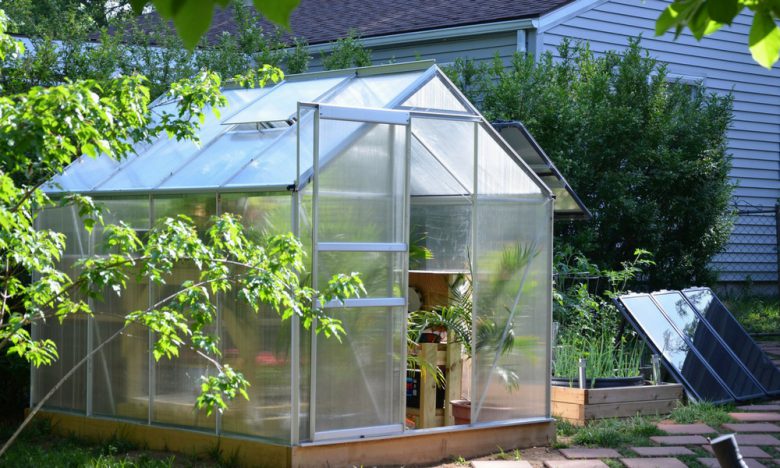
Do you know what climate change is? Sure. It’s the scary thing that’s happening to the planet because we burn too much carbon. But do you actually understand the science of why it’s happening? Whether you’re completely new to this or you just want a refresher, you’re in luck. I’ve picked out 5 excellent videos… Continue reading
New Report Outlines How Australian Cities Can Achieve Climate Resilience

Cross-posted from Shareable. Darren Sharp: A new research report and engagement project explores how Australian cities can achieve rapid decarbonization and increased resilience in the face of climate change. The report, “Visions and Pathways 2040: Scenarios and Pathways to Low Carbon Living,” was led by the Victorian Eco-Innovation Lab at the University of Melbourne and funded by the CRC for Low Carbon Living…. Continue reading