No Future: From Punk to Zapatismo and Connected Multitudes

Amador Fernández-Savater speaks to Catalan-Mexican writer and activist Guiomar Rovira about collective action, technologies, the online, “off-life” divide and more. After the fall of the Soviet Union in the mid-nineties,  there was much talk of pensée unique, singlemindedness or “single thought”[1]: a discourse affirming market democracy as the only imaginable and discernable framework for common… Continue reading →

Out of the Frying Pan and Into the Fire

Republished from Aral Balkan  Mariana Mazzucato1 has an article in MIT Technology Review titled Let’s make private data into a public good. Let’s not. While Mariana’s criticisms of surveillance capitalism are spot on, her proposed remedy is as far from the mark as it possibly could be. Yes, surveillance capitalism is bad Mariana starts off… Continue reading →

EU research on digital DIY “vs” gun control becomes even more relevant

Republished from Stop.zona-m.net with the author’s permission Marco Fioretti: A landmark legal decision makes it possible for everybody to make their own, untraceable assault rifles at home. What now? Radical gunsmith Cody Wilson, says Wired, just “won the right to distribute digital blueprints for DIY untraceable weapons -including AR-15s. Now anyone can make them”. What… Continue reading →

Book of the day: The Political Economy of the Common

Adam Arvidsson (translated from the Italian by Tiziano Bonini) The Political Economy of the Common. Ed. by Andrea Fumagalli (as yet untranslated Italian-language book) Economia politica del comune, collects a series of essays, mostly published elsewhere, which summarize his analysis of post-crisis contemporary capitalism. Capitalism has changed. Andrea Fumagalli says so. And he said that,… Continue reading →

Cultural dialogue and institutional mediation as antidotes to socioeconomic segregation in Ecovillage development

Michel Bauwens: Commoning is not inherently inclusive, and neither are initiatives such as ecovillages that have some relation to commoning. The natural resource commons described by Ostrom were often communautarian and reflected the accepted gender and class typologies and expectations of the day. Ecovillages and landed common initiatives may require initial investments that filter participants and… Continue reading →

Thoughts on OPEN 2018

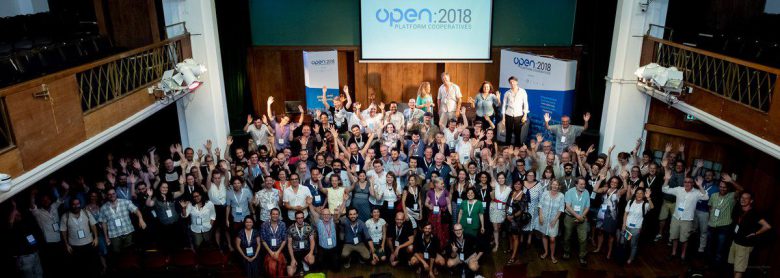
Republished from Medium.com Laura James: OPEN 2018 last week was an exciting event, not only because of the incredible people the organisers brought together, but because it felt like something new was starting to take off. There were people from many different organisations, sectors, and backgrounds, and they found sometimes unexpected things in common with… Continue reading →