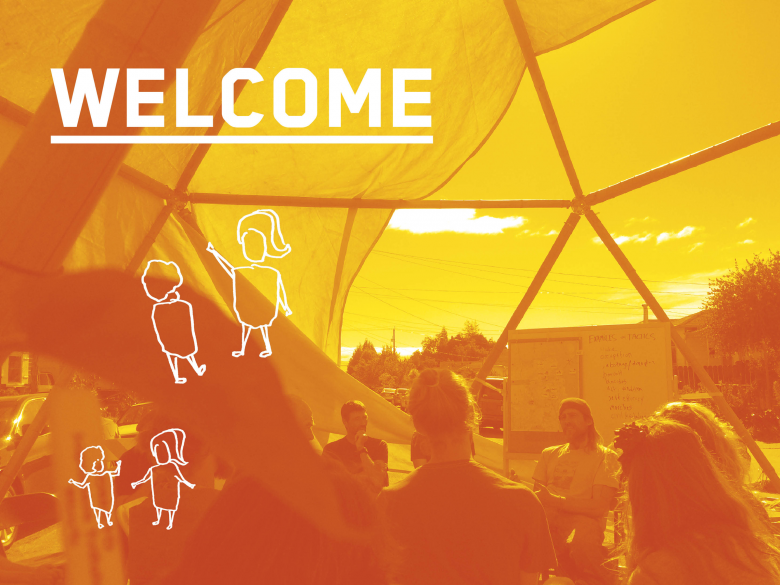
Why do some community spaces thrive while others struggle or fail? A lot of it comes down to how people are welcomed. Last April, I joined a group of activists and academics in Madrid, Spain, to build software that helps communities self-organize. This group was part of the P2Pvalue project, a three-year research initiative that… Continue reading
Camille Kerr on Unionized Platform Cooperatives for the Caregiving Industry
The P2P Foundation is serializing video highlights from last year’s Platform Cooperativism conference. Click here to see all conference videos. Camille Kerr, ICA Group — Platform cooperativism has the potential to completely transform the caregiving industry – including childcare and homecare – into dignified jobs where people make a livable wage and have control over… Continue reading
Book of the Day: The Corruption of Capitalism
The following text has been sourced from the press release for Guy Standing’s latest book The Corruption of Capitalism Why Rentiers Thrive and Work Does Not Pay: Mark Twain wrote of the late nineteenth Century as a Gilded Age in America, in which vast inequality and insecurity were masked by a veneer of wealth concentrated… Continue reading
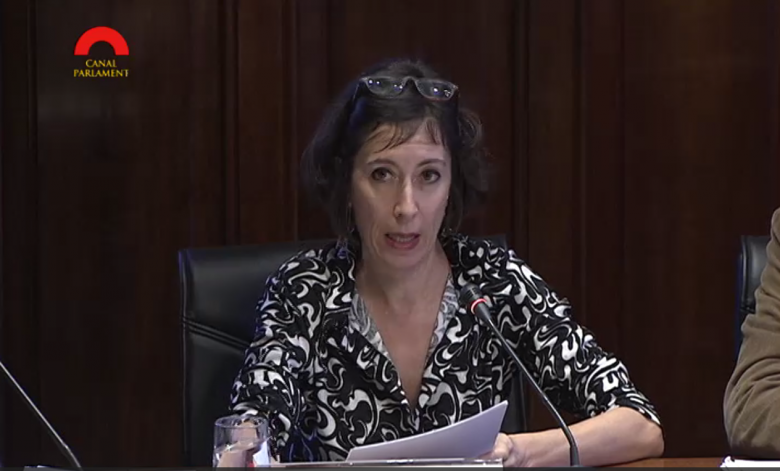
A statement made before the Catalan Parliamentary Committee for the Study of Anti-Corruption Measures and for Democratic Regeneration.
This text was published in Open Democracy —— A statement made before the Catalan Parliamentary Committee for the Study of Anti-Corruption Measures and for Democratic Regeneration. Without claiming to represent anyone but myself, I wish to focus my statement on what, under the present circumstances, I represent here today, namely civil society, as a member… Continue reading
If Degrowth is an ‘irresponsible agenda’, can we achieve slow (quasi-circular) growth?
In a discussion on the perma-circularity blog of Christian Arnsperger, the French biophysical engineer and economist Francois Grosse strongly argues that degrowth is the wrong path: “Nobody has the slightest hint as to how to render viable a world economy that would be structurally de-growing while ensuring social balance, individual and collective satisfaction, and peace… Continue reading
The Burden of the New Story
The ocean never reaches the shore. There is no simple arrival here; that’s an inadequate portrayal of what is happening. Instead, the ocean enacts the shore. It happens the other way around too – in one single move. The shore performs the ocean. By acting as cleaning agent, the shore characterizes the ocean; and by… Continue reading
The key criticisms of basic income, and how to overcome them
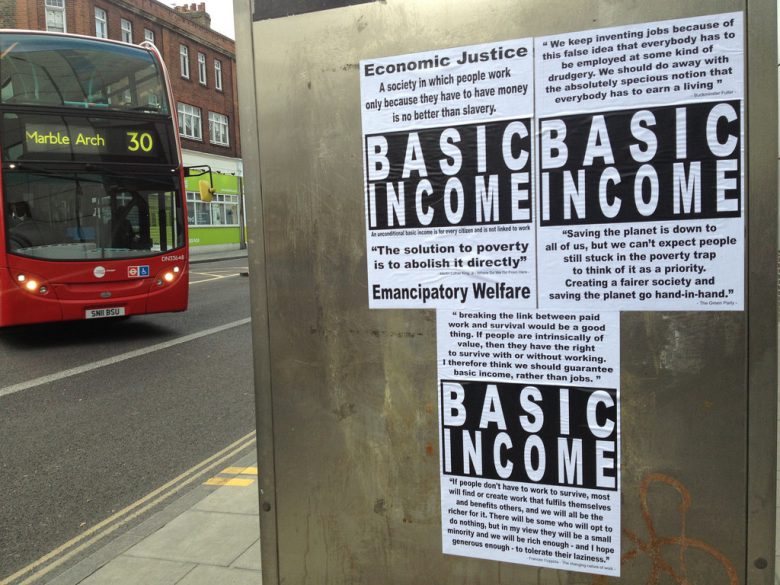
How can a universal basic minimum income be made compatible with socialist principles and avoid inadvertently furthering a neoliberal agenda? Ursula Huws continues the conversation on Universal Basic Income in this article, originally published on Open Democracy’s New Economics section: More than one in five UK workers, over seven million people, are now in precarious… Continue reading
Project Of The Day: Detroit Community Technology Project
Access to affordable smartphones has disrupted the extractive regimes of multinationals and oligarchies in many nations. Connected to the world and to each other, ordinary people can create their own production and exchange systems. But technology can intimidate people who are unaccustomed to it; especially when they grow up without access. Digital justice aims to… Continue reading
Finding Common Ground 6: Collaboration is just a strategy – Overcoming the limits of commons
Intro by Michel Bauwens: The following contribution is from Christian Felber, who has co-founded and co-organized the successful Economy for the Common Good network that is mostly active in Austria and German-language countries. This approach broadens the accounting and accountability of enterprises away from its sole reliance on financial achievements, and towards taking to account… Continue reading
Robert Macfarlane: How Language Reconnects Us with Place
I have come to realize that language is an indispensable portal into the deeper mysteries of the commons. The words we use – to name aspects of nature, to evoke feelings associated with each other and shared wealth, to express ourselves in sly, subtle or playful ways – our words themselves are bridges to the… Continue reading