Creativity and the Commons

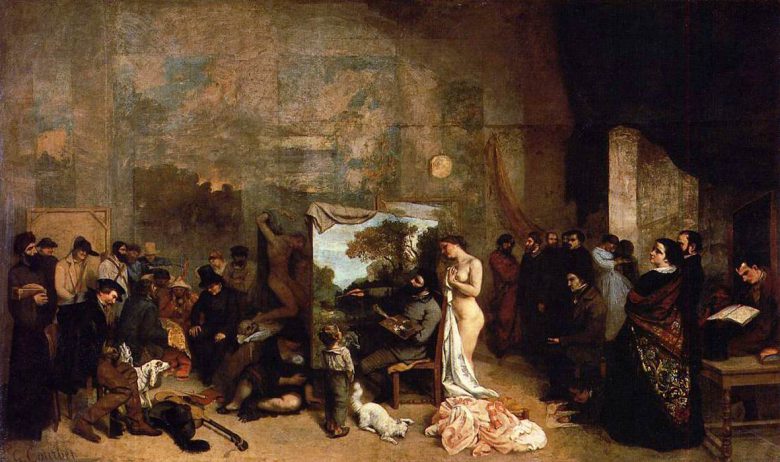
Max Haiven: French realist painter Gustave Courbet is, at first glance, the quintessential modern artistic persona: arrogant, iconoclastic, moody, brilliant and individualistic. He was also an anarchist who, in 1871, served as the short-lived Paris Commune’s de facto Minister of Culture, developing programs that empowered artists and opened museums and galleries to the public. It… Continue reading →

Degrowth in Movements: Climate Justice

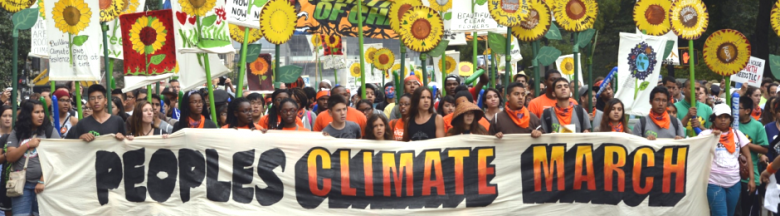
By Tadzio Müller; translated by Kate Bell. Originally published on Degrowth.de Global Resistance to Fossil-Fuelled Capitalism 1. What is the key idea of the climate justice movement? We are not all in the same boat: The climate crisis as a crisis of justice What is climate change about? First and foremost, justice! The best symbol… Continue reading →

ROI: Return On Intention

We believe in trust more than we believe in the truth.  We trust in the ways things used to be, so we keep on trampling over blooming flowers while chasing dying leaves to get us there. Innovations to provide for everyone, arrives exponentially everyday, yet they are less and less accessible to a frustrated population… Continue reading →

Commons Transition and P2P: a Primer

The Commons is a concept and practice that has been steadily gathering increased attention and advocates. Deeply rooted in human history, it’s difficult to settle on a single definition that covers its broad potential for social, economic, cultural and political change. The Commons is now demonstrating its power as a “key ingredient” for change in… Continue reading →

What Makes an Empty Building in Naples a Commons?

Marta Cillero: The Neapolitan Administration defines common goods as “the tangible and intangible assets of collective belonging that are managed in a shared, participatory process and which is committed to ensuring the collective enjoyment of common goods and their preservation for the benefit of future generations.” Behind any “rebel city” there is an active structure of… Continue reading →